Texas Humanoids team

TEXAS
HUMANOIDS

We're building humanoid robots from scratch at UT Austin. Open-source hardware, real engineering, no shortcuts.

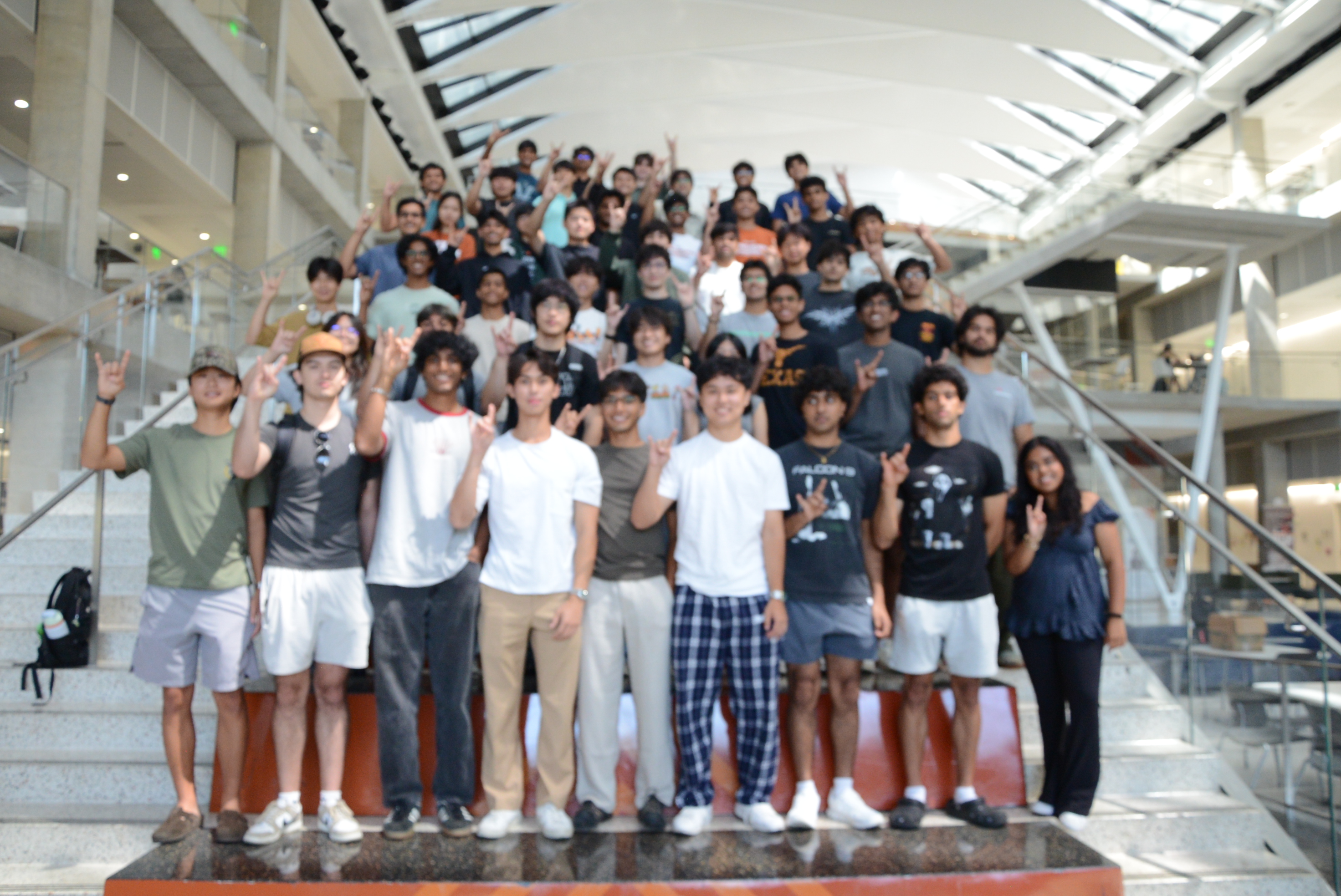
40+ Members
2 Active Robots
3 Engineering Teams
Fall '26 Build Cycle
Who We Are
Started by engineers who've shipped robots at Tesla, SpaceX, and Sandia.

Texas Humanoids is an undergraduate robotics organization at UT Austin dedicated to designing and building functional humanoid robots from the ground up. We give students hands-on experience with the full robotics design cycle — mechanical design, electrical systems, embedded software, controls, manufacturing, testing, and integration.

UT Austin has some of the best robotics talent in the country. But there was no student organization where undergrads could take on something this ambitious: a full-stack humanoid, designed, built, and tested by students. We started Texas Humanoids to change that.

The humanoid robotics market is projected to grow to over $400 billion by 2040. Startups are moving past pure AI and into physical systems. These companies need engineers who can get things built — reliably, at scale, with testing and iteration baked in. That's what we train for.

Ani Engineering Head Sandia, Lockheed, NRG, ARL
Aakash Engineering Head Tesla Optimus, SpaceX, Gradient
Khoi Operations Head SNC, FTI Delta, IBM
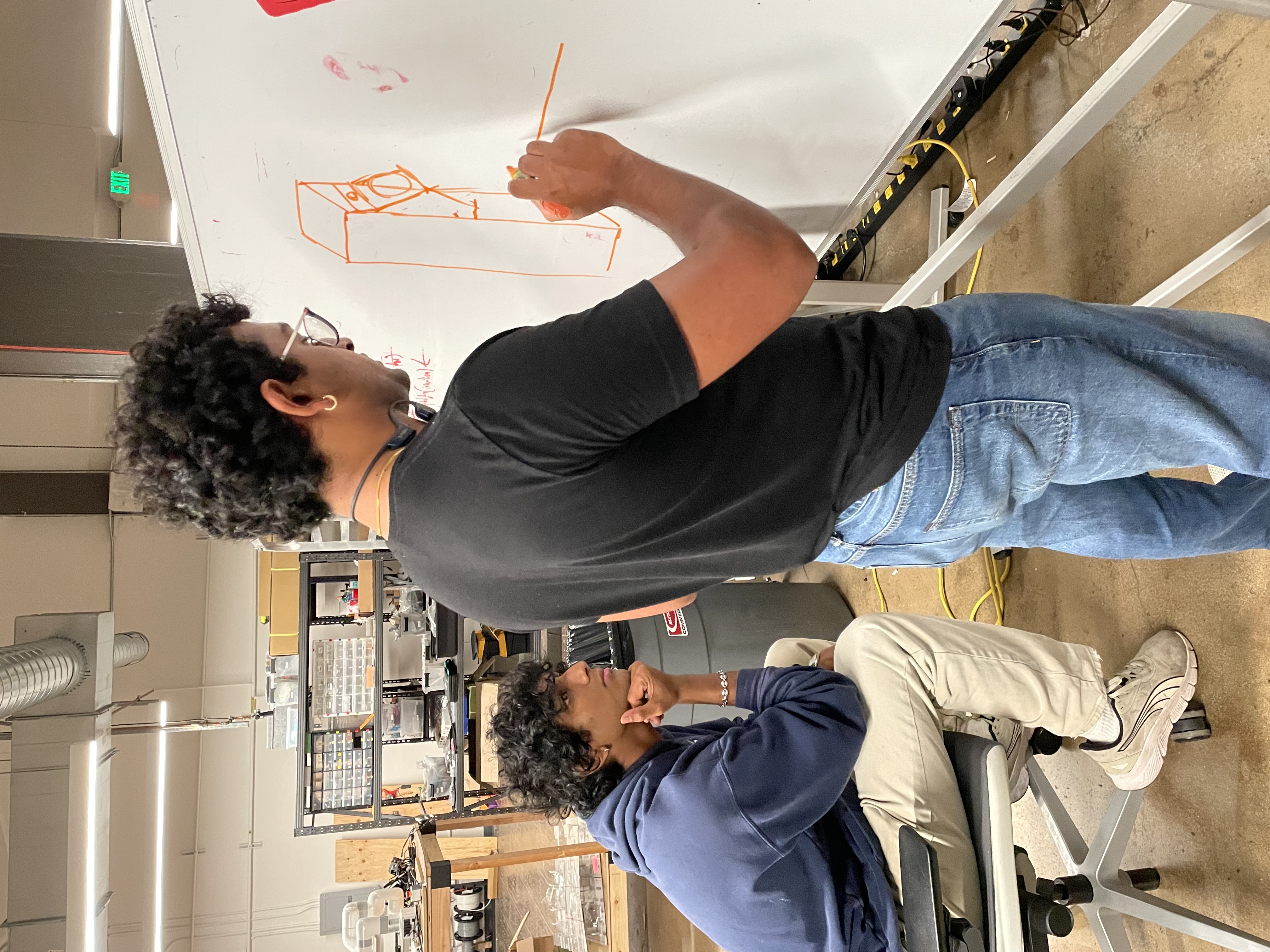
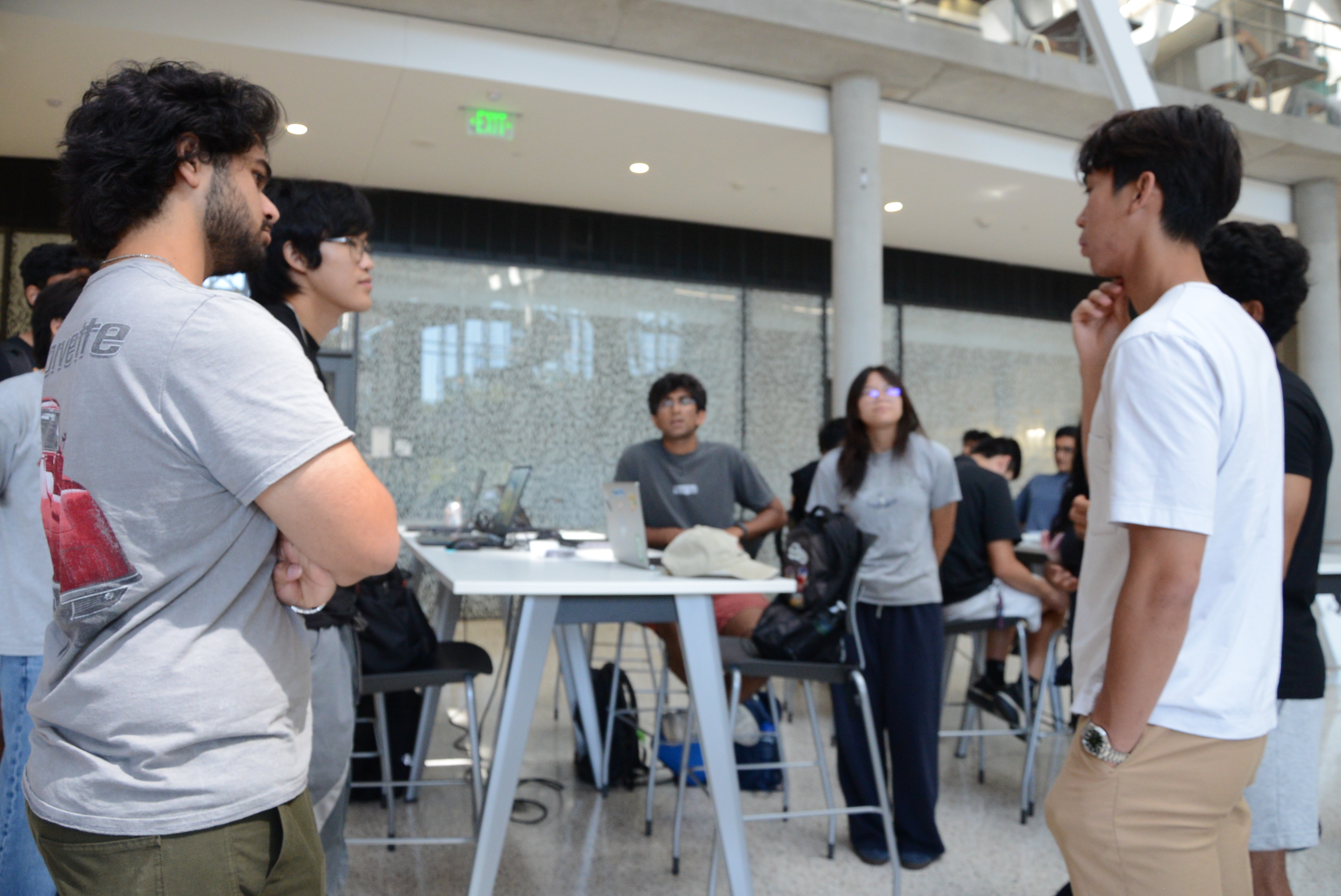
Team at whiteboard designing robot kinematics
What We're Building
Two robots. One mission.

We're running two parallel builds: an open-source humanoid developed in-house, and a custom research robot with UT's Living with Robots Lab.

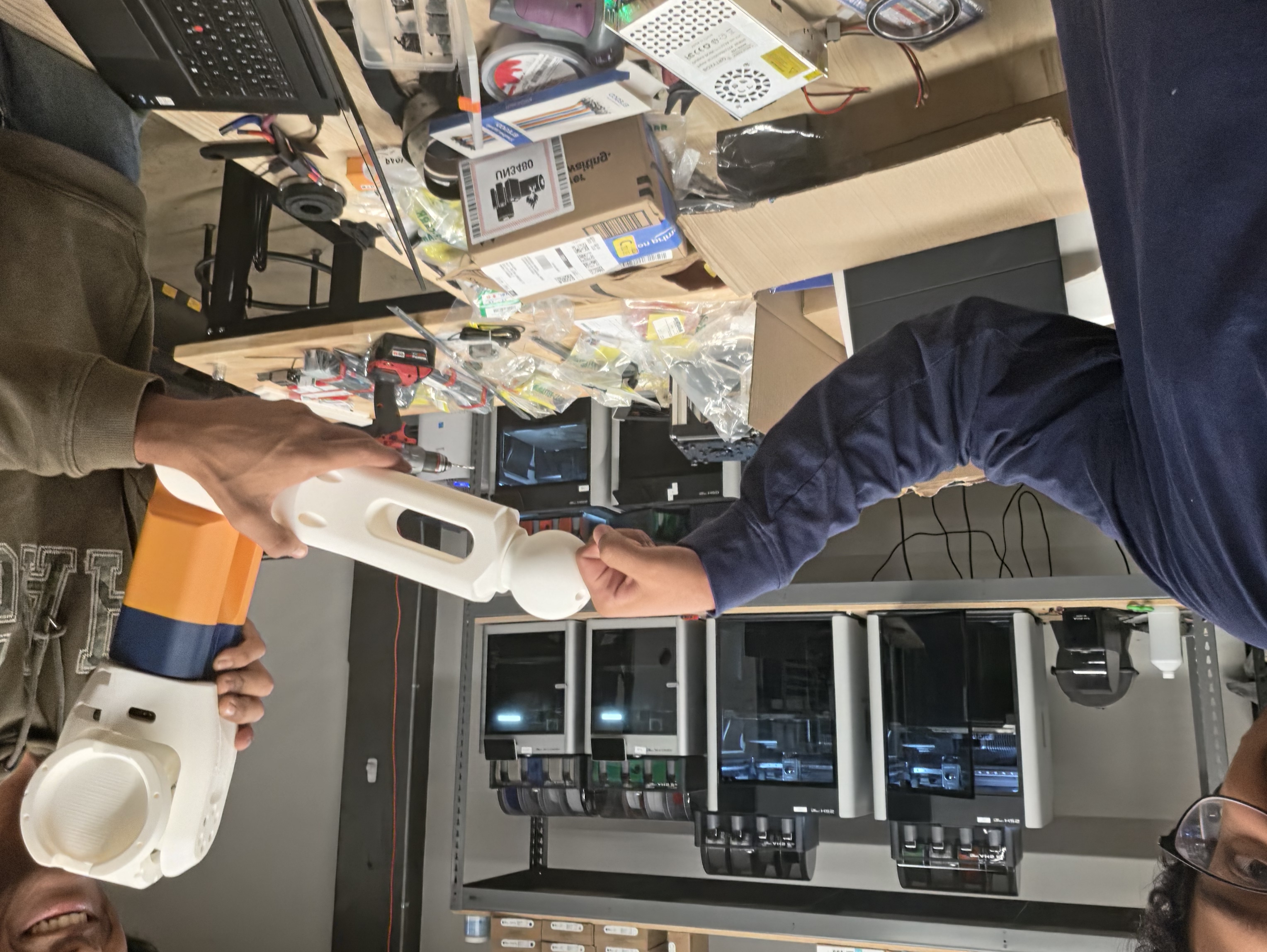
3D-printed robot arm with actuators
Project 1 — In-House Build

The Texas Humanoid

Our flagship project: an open-source humanoid robot capable of autonomous movement. We're developing custom actuators, control software, and simulation infrastructure from scratch during a 12-week sprint this fall.

The work is scrappy by design — fast build-test-break cycles, frequent subsystem reviews, and hands-on debugging with one goal: get a real humanoid walking. Members use motion capture to determine joint requirements and configurations, building toward a platform that any research lab or organization can own, control, and extend.

Timeline Fall 2026
Approach 12-Week Sprint
Focus Actuators, Controls, Sim
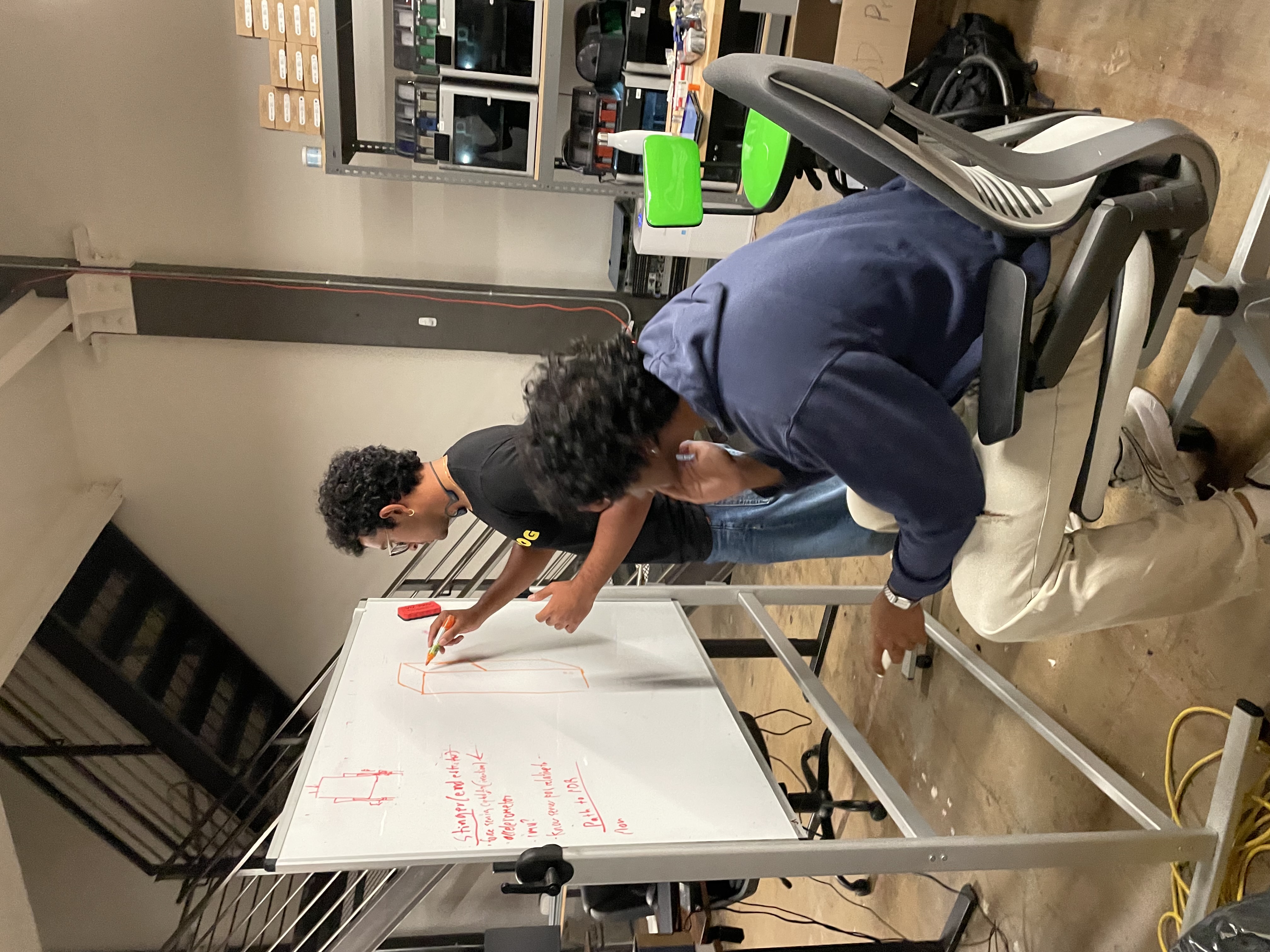
Team brainstorming BevoBot design
Project 2 — Research Collaboration

BevoBot

A custom bipedal humanoid robot built in partnership with Dr. Justin Hart and UT Austin's Living with Robots Lab. BevoBot is designed to be a well-engineered, open-source platform optimized for common human tasks and gestures.

This is the long-term build. Phase 2 (Spring '27) takes our finished requirements and turns them into Bevo Bot's full hardware and software architecture through an industry-style design process — subsystem reviews, PDR, CDR, and mentorship from engineers at Tesla and other robotics companies. Phase 3 (Summer & Fall '27) is manufacture, assembly, integration, and field testing.

Timeline 2026 – 2028
Partner Living with Robots Lab
Goal Human Tasks & Gestures
Our Mission
World-class engineers. Well-engineered robots.

Develop World-Class Engineers

  • Give UT Austin students hands-on experience with industry-grade robotics across mechanical design, electrical systems, and software
  • Allow members to own and work on complex, high-impact projects with real trade-offs and ambiguous requirements
  • Connect students with advisors and mentors across engineering companies and academia

Build Well-Engineered Humanoids

  • Take an iterative approach year over year to build and improve the humanoid
  • Develop a full-stack platform that Texas research labs and organizations can own and control
  • Strengthen the humanoid robotics presence within Austin and Texas itself

Although robotics has historically been reserved for PhDs and engineers with decades of experience, startups are moving past AI and into physical systems. These companies need talent that specializes in getting things built, reliably, at scale. Undergraduates now have the opportunity to meaningfully contribute — the knowledge is out there, in papers and courses anyone can access. There's a shortage of opportunity to put that knowledge to work.

Even at a school like UT Austin, the opportunities to work on a system as complex as a humanoid robot are extremely limited. Research labs often can't give undergrads the space to take a project from zero to one. That's the gap we fill.

Engineering
Our Teams

Built by students who have been building, breaking, and designing robots since middle school.

3D-printed robot arm

Mechanical

Designing the mechanisms and machinery of our robot. Complex structural simulations, dynamic torque sizing, joints, arms, and outer body of the humanoid. Extensive testing and characterization of robotics mechanisms.

Structural Sim CAD/CAM Mechanism Design
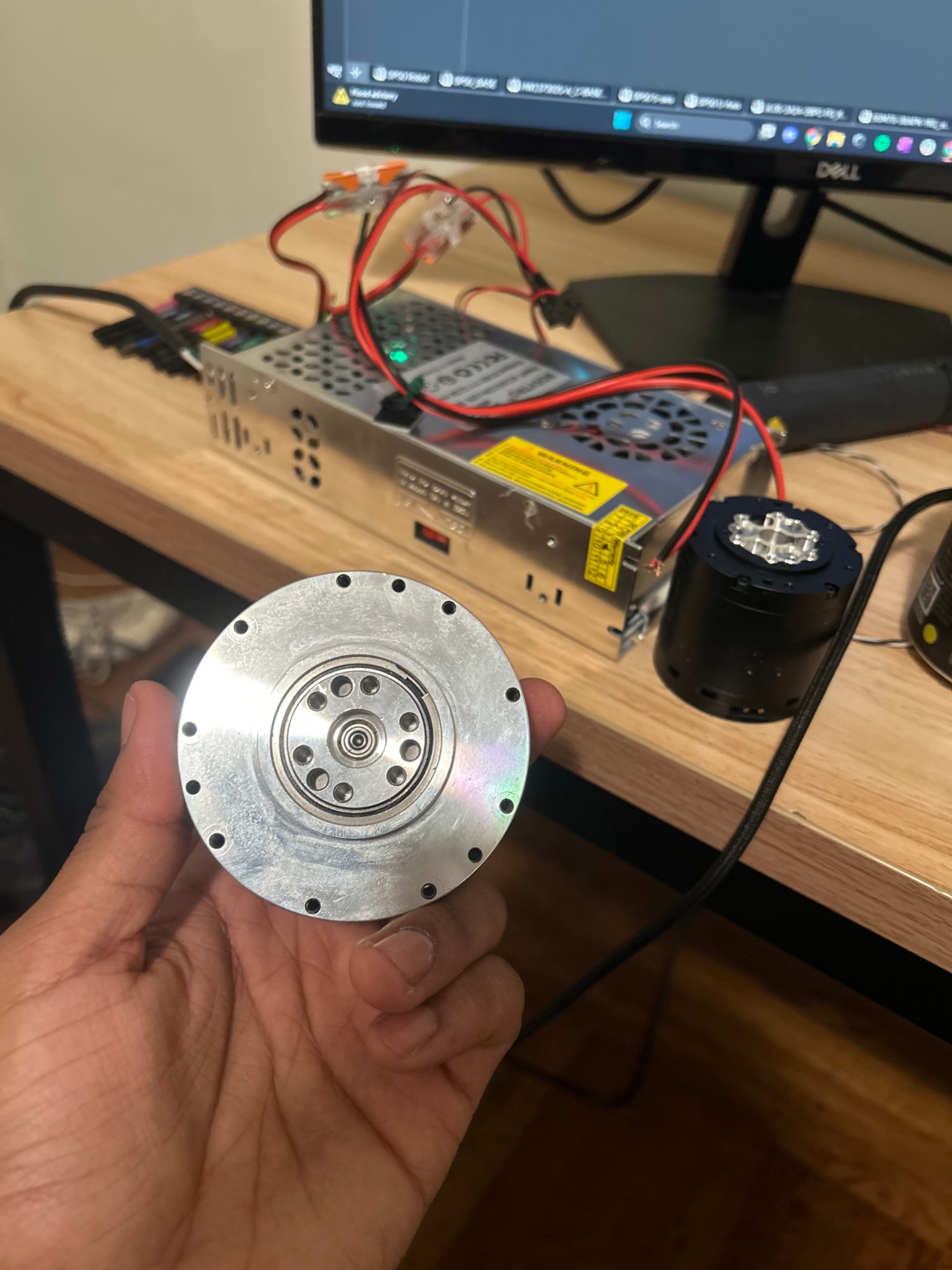
Custom actuator hardware

Electrical

Embedded systems, communication buses, custom motor drivers, firmware, and in-house PCB design. Working with STM-32 boards, Jetson Nanos, and TI-C200 for low-latency, high-bandwidth, responsive systems.

Embedded PCB Design STM-32 Motor Drivers
Team members discussing robot design

Programming

The robot's brain. Teleoperation frameworks, kinematic controllers, reinforcement learning for walking and tool use, VLA models, and perception systems. Works closely with electrical and mechanical to inform designs.

Teleop RL Kinematics Perception
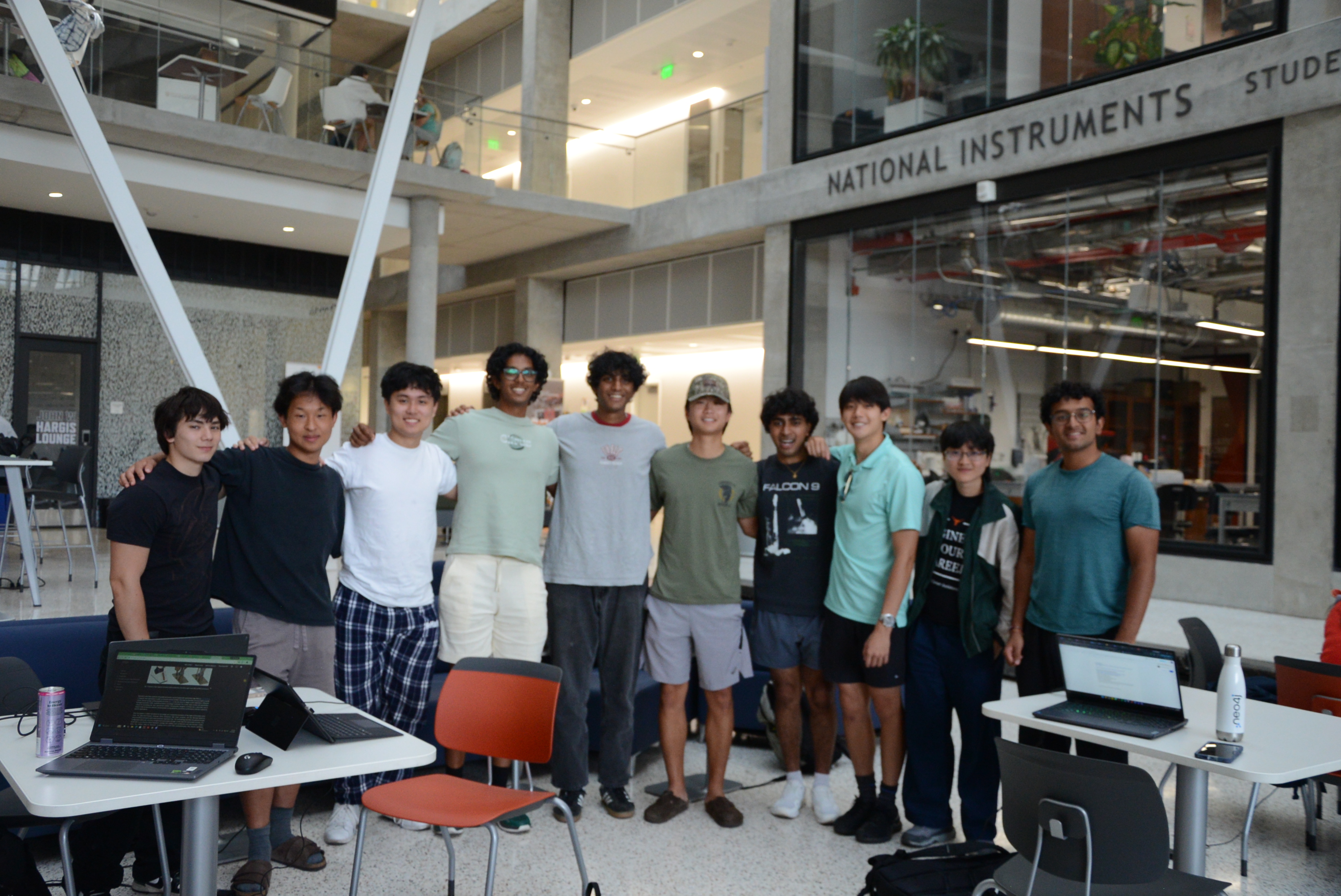
Founding team at NI Student Engineering Lab

Founding & Operations

Engineers who've shipped at Tesla Optimus, Sandia Labs, SpaceX, and Gradient Robotics. Our ops team brings business and technology experience focused on making socially impactful technology.

Tesla Optimus SpaceX Sandia
Faculty
Our Advisors

Guided by world-class researchers in controls, autonomy, and humanoid robotics.

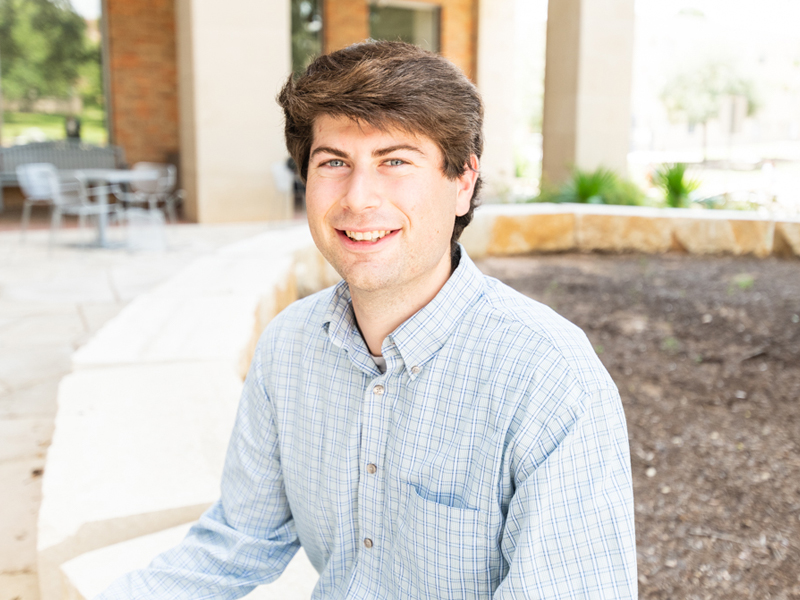
Dr. David Fridovich-Keil

Dr. David Fridovich-Keil

Sponsor & Advisor
Asst. Professor, Aerospace Engineering & Engineering Mechanics, UT Austin

Research spans optimal control, dynamic game theory, learning for control, and robot safety. Affiliated with Texas Robotics, the Oden Institute, and the Center for Autonomy.

Doctorate from UC Berkeley, postdoc at Stanford. Recipient of an NSF Graduate Research Fellowship and NSF CAREER Award.

Dr. Luis Sentis

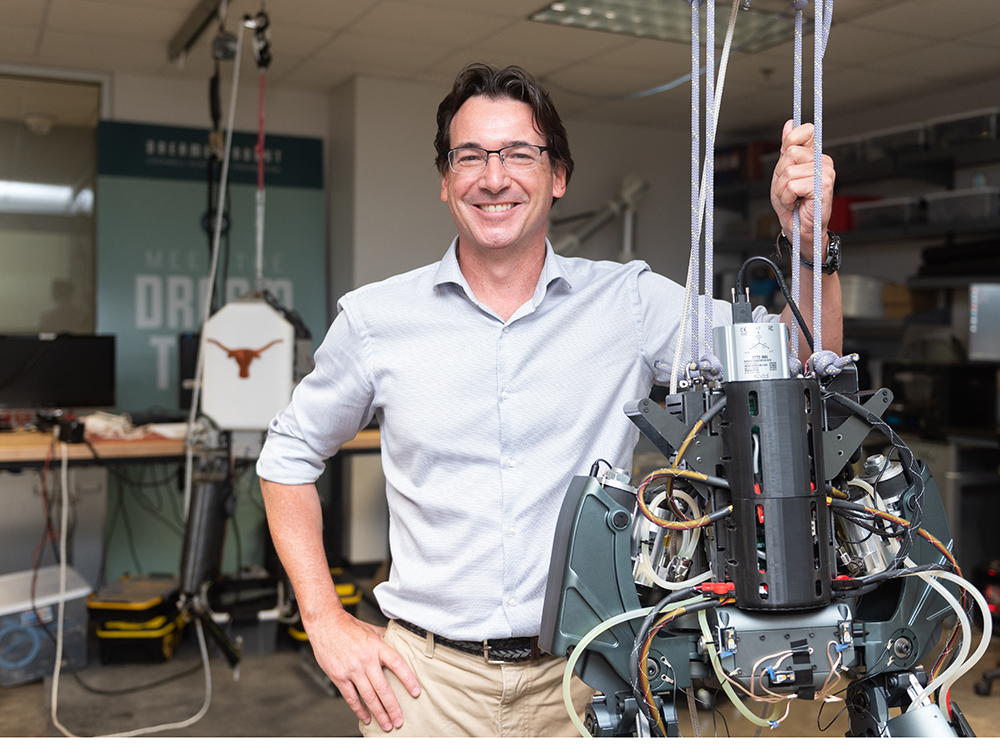
Dr. Luis Sentis

Advisor
Professor, Aerospace Engineering, General Dynamics Endowed Fellow, UT Austin

Leads the Human Centered Robotics Laboratory. Focus on control, embodiment, and intelligence of humanoid robots, exoskeletons, and autonomous systems.

UT Austin Lead for DARPA's Robotics Challenge with NASA JSC. Founding member and innovation advisor for Apptronik Systems. Ph.D. and M.S. from Stanford.

Get In Touch
Keep up with us.

Aakash

Engineering Head
(214) 642-4334

Ani

Engineering Head
(682) 715-4721

Khoi

Operations Head
(832) 800-6283